Ceramic Anilox Roll: The Key to Consistent, High-Quality Printing
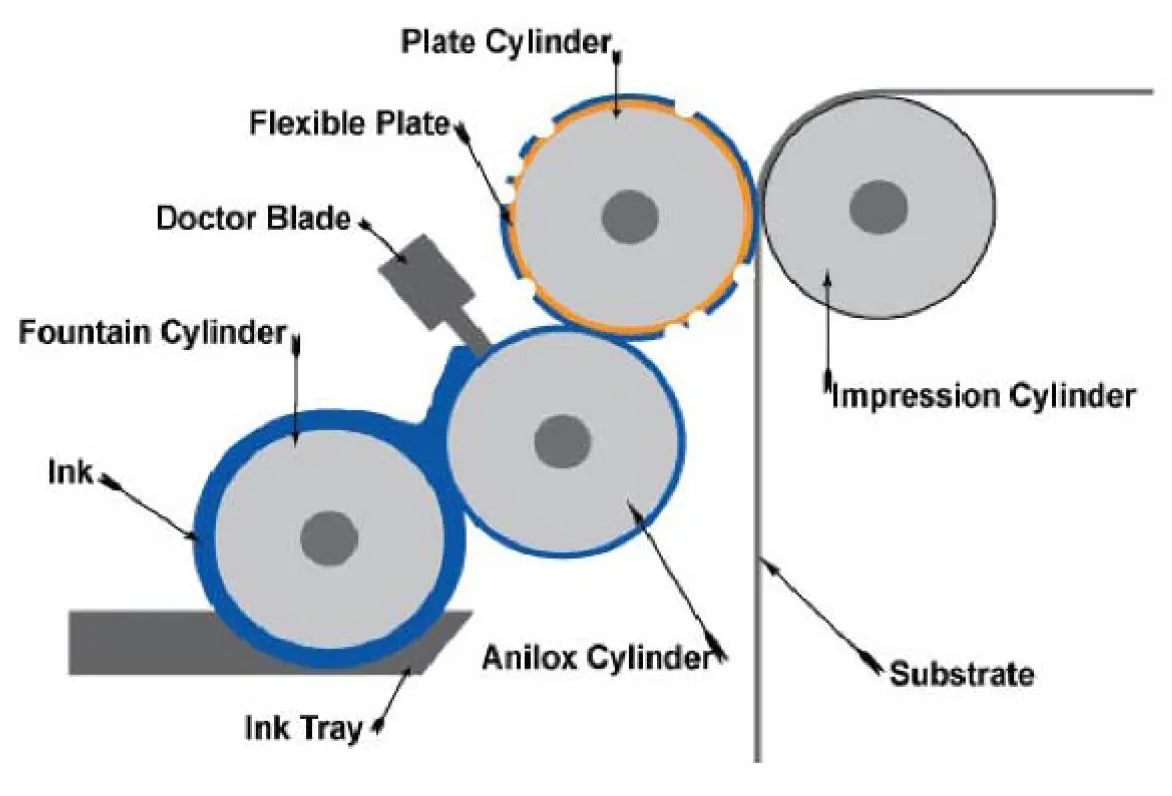
On a flexo press, the anilox does not print anything. It measures. Every drop of ink that reaches the plate passes through its microscopic cells first, which makes it one of the most influential parts of the entire machine. A press can have excellent plates, skilled operators, and perfect substrates, yet still produce uneven colours if the ink delivery at this one point drifts. Puretronics supplies the Ceramic Anilox Roll for printers who want that delivery to stay steady, job after job.
Read More about Ceramic Anilox RollsWhere Print Quality Really Begins
Think of a Ceramic Anilox Roll as a precise ink dispenser. Its cell volume decides how much ink is carried, and its cell condition decides how consistently it is released. When cells wear or clog, the dispensed quantity changes slowly and invisibly. Operators compensate with pressure adjustments and ink changes, and the press drifts away from the approved colour without anybody noticing the real cause.
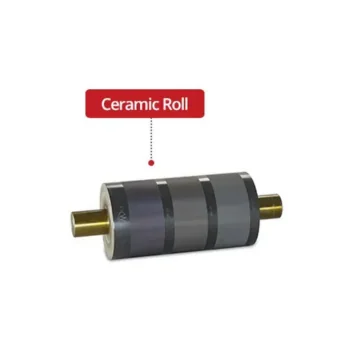
This is why surface hardness matters so much. A superhard ceramic coating lifts surface hardness well beyond hard chrome plating, so the cell walls resist abrasion from the doctor blade for far longer. A hardy Ceramic Roll keeps ink delivery stable across many more metres of production.
Choosing The Right Cell Count
There is no single best anilox, only the right one for a job. Screen counts can range from 100 to 1800 lines per inch, and the choice shapes the result:
- Finer screenshold less ink and suit fine text, delicate halftones, and detailed graphics.
- Coarser screenscarry more ink and suit solid colours, bold coverage, and coatings.
- Cell geometry, such as hexagonal or diamond patterns, influences how smoothly ink fills and releases.
Matching these choices to your plates, inks, and substrates prevents the common compromise of running one Ceramic Roll for every job and accepting average quality across all of them.
A Roll That Works With Your Ink System
Ink delivery is a chain, and the anilox is only one link. Stable viscosity keeps ink behaving predictably as it enters the cells, so the best results come when roll and ink control work together. Cleaning is just as important. Dried ink inside cells is the quiet enemy of any Ceramic Anilox Roll, reducing its volume without any visible damage. Using a suitable stainless steel cleaning brush, rather than a copper one that can leave deposits, keeps cells open and the roll performing as designed.
Counting The True Cost
Purchase price tells only part of the story. A roll that wears quickly must be replaced often, and every replacement means press downtime, re-matching of colour, and fresh waste during restart. A durable Ceramic Roll spreads its cost across a much longer working life, so the cost per printed metre falls. For plants running several presses, that difference becomes significant over a year.
Why Plan This Purchase Now
For anyone responsible for equipment budgets, the argument is straightforward:
- Consistent colour on repeat orders: Stable ink metering means reorders match the original approval.
- Less waste: Fewer corrections and restarts save ink, substrate, and operator time.
- Longer life: A wear-resistant Ceramic Roll lowers replacement frequency.
- Wide usability: The same technology serves wide and narrow web flexo, label presses, corrugated printing, converting and lamination, and UV coating.
- Ready for tighter standards: Brands increasingly demand tighter colour control, and a reliable Ceramic Anilox Roll is a basic requirement for meeting it.
Precision At The Point Of Transfer
Great printing rarely depends on one dramatic investment. It depends on small components doing their job the same way, every time. Share your press type, substrate, and print requirements with the Puretronics team through the call-back form, and we will help you select a Ceramic Anilox Roll that suits your application.