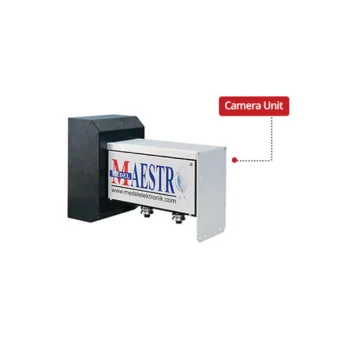
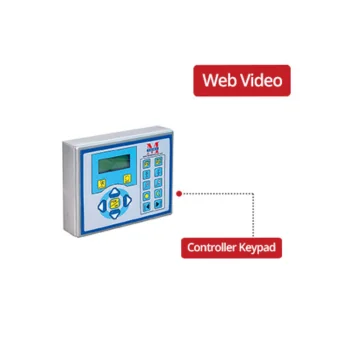
Print jobs are getting shorter, press speeds are getting higher, and customers are less forgiving of visible defects. In this environment, waiting for a sample to be pulled and checked means metres of wasted material before anyone reacts. Puretronics offers a Web Video Inspection System that puts the live, moving print on a screen, so operators can see exactly what the press is producing and correct problems as they appear.
Why Live Print Monitoring Matters
At modern running speeds, the human eye cannot follow a moving web. Operators rely on stop-and-check routines that interrupt production and still miss intermittent faults such as colour shifts, register drift, hickies, or missing elements. Continuous visual monitoring closes this gap. Operators spend less time stopping the press, make decisions based on what they actually see, and keep waste under control throughout the job, particularly on short runs where every metre counts.
Our monitoring solution is developed in collaboration with a European technology partner, bringing proven imaging expertise to demanding Indian and international production floors.
How the Web Video Inspection System Works
A camera is mounted over the moving web, and an LED strobe freezes the motion so the print appears sharp and stationary on the display. Operators can then judge colour, registration, text clarity, and surface condition in real time. Operating modes include stop-and-move as well as time-based programmable viewing, so the camera can survey the full web width or return repeatedly to specific points of interest.
Features Built for Real Production Conditions
Each feature addresses a practical need on the press floor:
- Light control: Brightness adjusts to suit bright or dark backgrounds, so images stay clear across different substrates and ink coverage.
- Focus adjustment: Operators fine-tune the focal point for crisp detail.
- Image positioning: The picture can be shifted upward or downward, and the camera can be positioned mechanically to the left or right across the web.
- Image control: Received pictures can be managed directly by the operator for closer examination.
- LED strobe camera: Freezes fast-moving print for a stable, readable image.
- Rich colour rendering: 1072 million colours help operators judge subtle shade differences.
- 10X zoom lens with customised optics: Allows close inspection of fine text, barcodes, and register marks.
- Field of view: A standard maximum of 120mm x 120mm.
- Traverse range: Available from 500mm to 2000mm to suit different web widths.
Benefits That Reach the Bottom Line
The impact of the Web Video Inspection System shows up in measurable production results:
- Minimum waste: Faults are noticed early and corrected before large quantities are affected.
- Fewer rejected products: Consistent monitoring keeps output within specification.
- Shorter make-ready: Operators confirm print quality faster at the start of each job.
- Better press productivity: Less stopping for manual checks increases production time per job.
- Reduced operator dependency: Visual feedback supports consistent decisions across shifts and experience levels.
Applications
This solution is designed for printing processes where visual control is essential, including rotogravure printing, flexo printing, and label printing. It is equally valuable on lines running flexible packaging films, labels, and other printed rolls, where fine detail and tight registration define product quality.
Why Investors Should Plan This Solution Now
Material, ink, and machine time are among the highest costs in printing, and most of this spending is lost when jobs run off-specification. A live monitoring solution addresses that loss directly. The investment case rests on a few clear points:
- Faster payback: Savings in waste, rejects, and make-ready time begin from the first jobs.
- Competitive advantage: Printers who can guarantee consistent quality win and retain brand-owner contracts.
- Suitability for short runs: As job lengths shrink, setup waste becomes a larger share of total cost, making early detection even more valuable.
- Scalable approach: Monitoring can be added to individual presses and expanded across a plant as results prove out.
- Support for quality systems: Visual verification supports customer confidence and quality audits.
Companies that defer such upgrades often continue to absorb hidden losses that rarely appear as a single line in the accounts. Planning this purchase now converts those losses into savings.
Work with Experienced Specialists
Selecting the right configuration depends on web width, press type, substrate, and quality goals. Our team helps match the traverse size, optics, and viewing modes to your application, so the Web Video Inspection System delivers value from the day it is installed.
Take Quality Control to the Next Level
Consistent print quality is built on visibility. With Puretronics and a dependable Web Video Inspection System, your operators see the print as it happens, act quickly, and run each job with confidence. Reach out through the call-back form to discuss your press and discover how live monitoring can improve your production.
Frequently Asked Questions
It’s a camera-based system that shows the live, moving print on a screen, so operators can see exactly what the press is producing and correct issues immediately instead of waiting for sample checks.
An LED strobe camera freezes the motion of the web, so the print appears sharp and stable on the display even at high press speeds.
It includes light and focus adjustment, image positioning up, down, left, and right, a 10X zoom lens with customised optics, 1072 million colours, and stop-and-move or time-based programmable viewing.
The standard maximum field of view is 120mm x 120mm, and the traverse size is available from 500mm to 2000mm to suit different web widths.
It is designed for rotogravure printing, flexo printing, and label printing, where close visual control of print quality is essential.
By helping operators catch faults early, it keeps waste to a minimum, reduces rejected products, shortens make-ready time, improves press production time per job, and lowers dependence on operator involvement.