On a fast-moving production line, a web that drifts even a few millimetres off its path can mean wasted material, misregistered prints, and unplanned stoppages. Puretronics web guiding systems detect lateral movement the moment it begins and correct it automatically, keeping film, paper, foil, and fabric exactly where they should be from unwind to rewind.
How a Web Guide System Works
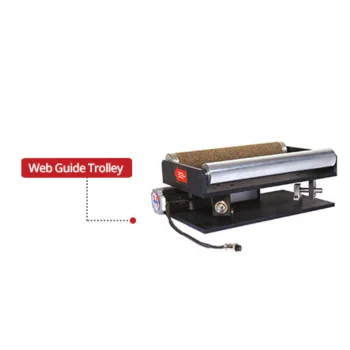
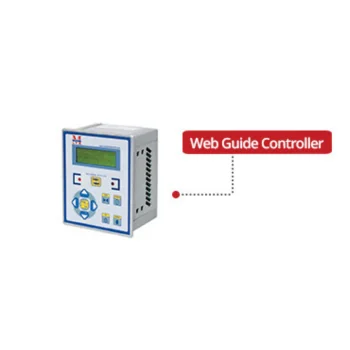
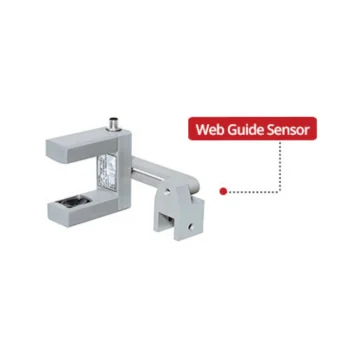
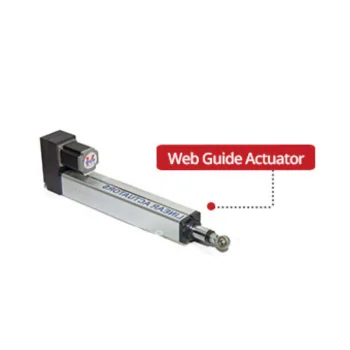
Every guiding setup follows a simple closed-loop principle. A sensor continuously reads the position of the web edge, a printed line, or the centre of the material. The controller compares this reading with the desired position and calculates the correction needed. An actuator then shifts the roller or frame to bring the material back on track. This cycle repeats continuously, so alignment is maintained even when speed, roll diameter, or material behaviour changes during the run.
Sensing Options for Different Materials
No two materials behave alike, which is why guiding methods are matched to the job:
- Edge guiding follows the edge of the web and suits most uniform materials.
- Centre guiding keeps the web centred when widths vary from roll to roll.
Line guiding tracks a printed line or pattern, useful where the artwork itself is the reference.
Transparent films, glossy foils, and dark rubber each respond differently to sensing, so choosing the right sensor type is as important as the guide itself.
Where Precise Guiding Matters
Any process that handles continuous rolls benefits from reliable alignment. Printing and converting lines depend on it for consistent registration. Packaging and plastic film operations use it to prevent wrinkles and uneven edges at the rewinder. Textile, paper and corrugation, and rubber processing lines rely on it to reduce edge trim loss and avoid web breaks. In each case, a dependable web guide protects both product quality and machine uptime.
Working Alongside Tension Control
Alignment and tension are closely linked. A web guide corrects sideways drift, but unstable tension can cause that drift in the first place. That is why guiding systems perform best when paired with a tension controller, load cells, and pneumatic brakes or clutches on the same line. Together with encoders for length and speed feedback, these instruments give operators complete control over how materials travel through the machine.
Installation, Commissioning and Upkeep
A guiding system is only as good as its setup. Correct mounting, sensor alignment, and calibration against the actual web path determine how well the system performs on day one and over years of operation. Our team supports installation and commissioning, and trains operators on routine checks so that the system continues to deliver consistent results with minimal downtime.
Selecting the Right System
Before choosing a web guide, it helps to define a few basics:
- Material type and width range you process
- Line speed and typical roll changeover frequency
- Available space along the web path
- Operating environment, including dust, vibrations, and lighting
- Future expansion, such as additional sensing points or new product lines
Answering these questions upfront avoids rework later and ensures the system fits your process rather than the other way around.
Built in India, Backed by Puretronics
As an ISO 9001:2015 certified company with manufacturing facilities in and around Mumbai, we design and support our systems close to the industries we serve. That means faster response, easier spares availability, and engineers who understand local production conditions. Puretronics solutions can be tailored to your machine layout, and our team stays available for service and technical guidance long after commissioning.
Common Problems Solved on the Shop Floor
Many alignment issues look minor until they repeat across hundreds of rolls. A well-tuned web guide helps prevent:
- Web wandering that causes uneven edges and rewind defects
- Telescoping rolls that damage material and slow down handling
- Registration errors in multi-colour printing and laminations
- Edge damage and tearing caused by contact with rollers or guards
- Excess trim loss from uneven slitting positions
Fixing these at the source means less rework, fewer rejects, and a smoother run from the first roll to the last.
Frequently Asked Questions
It’s a system that automatically detects the sideways position of moving material, such as film, paper, foil, or fabric, and corrects it in real time to keep alignment accurate.
A sensor reads the position of the web edge, centre, or a printed line. The controller compares it with the desired position, and an actuator shifts the roller or frame to correct any drift.
Printing and converting, packaging, plastic film, textile, paper and corrugation, and rubber processing lines all rely on them to maintain alignment and reduce wastage.
Edge guiding follows the material edge, centre guiding keeps the web centred when widths vary, and line guiding tracks a printed line or pattern.
Yes, it performs best alongside a tension controller, load cells, pneumatic brakes or clutches, and encoders, since stable tension reduces the sideways drift the guide has to correct.
Consider your material type and width range, line speed, available space along the web path, operating environment, and any future expansion plans.