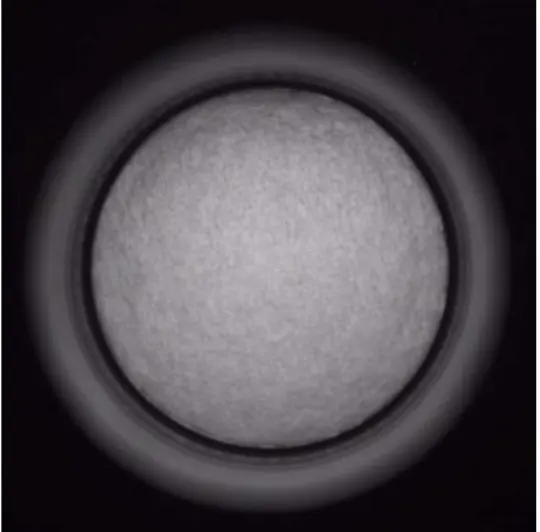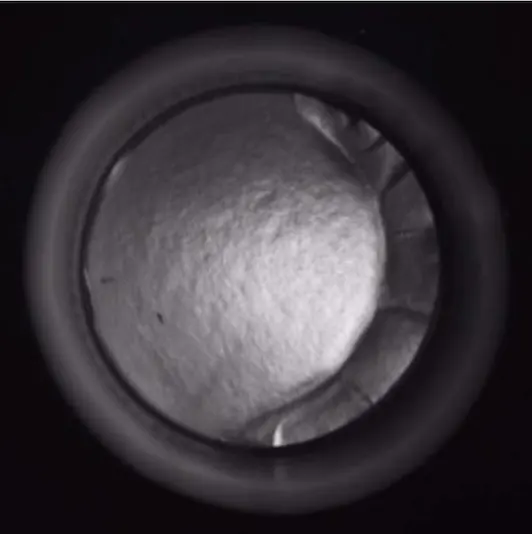
Cap Inspection System Aluminum Caps

Elevate quality control in plastic cap manufacturing with Puretronics' Inspection System. Our advanced technology ensures thorough inspection, detecting and addressing defects for impeccable product quality. Trust Puretronics for reliable, high-performance inspection solutions designed to enhance your plastic cap production. Upgrade your quality standards with Puretronics, setting new benchmarks for precision and excellence in plastic cap inspection. Puretronics Aluminium Caps provide premium and secure sealing solutions, ensuring product freshness and protection in various packaging applications.

Supplier of Defect Detection System For Aluminum Caps near me

Aluminum Cap Defect Detection System

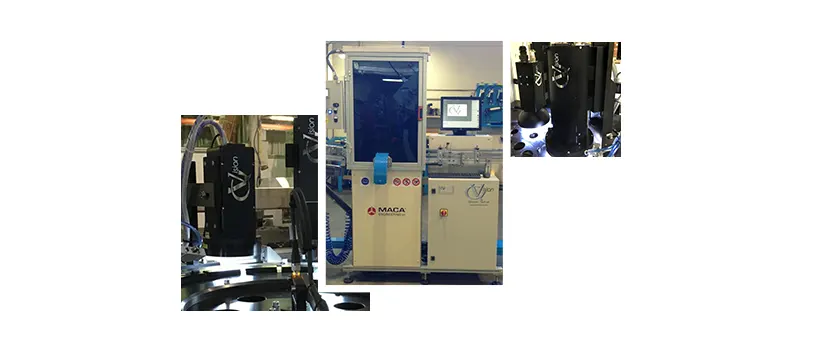
Puretronics is proud to present efficient and reliable Cap Inspection System in collaboration with QVision Italy. It is a modular vision system, which can be equipped with one or more standard inspection modules; each module is dedicated to specific controls, in order to detect the typical defects of this kind of production. Standard modules are available for the inspection of circular symmetry closures, as flat caps or sport caps, with or without liner. The system can be installed on existing production lines, if necessary technical requirements are fulfilled, or it is possible to offer «turnkey» solutions, supplying the vision system complete of a proper mechanical transportation unit.

The inspection software is fully owned. It is therefore possible, on request, to provide customized versions, together with dedicated hardware configurations, to meet specific customer needs.
  • Features
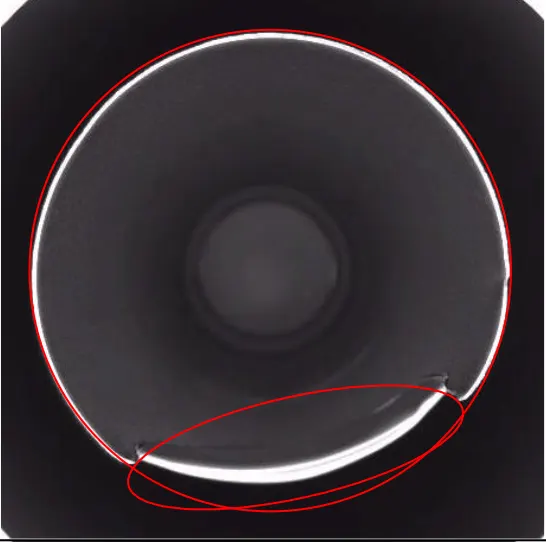
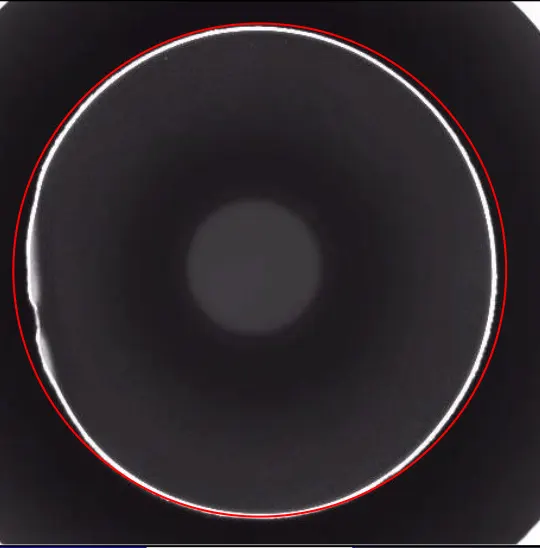
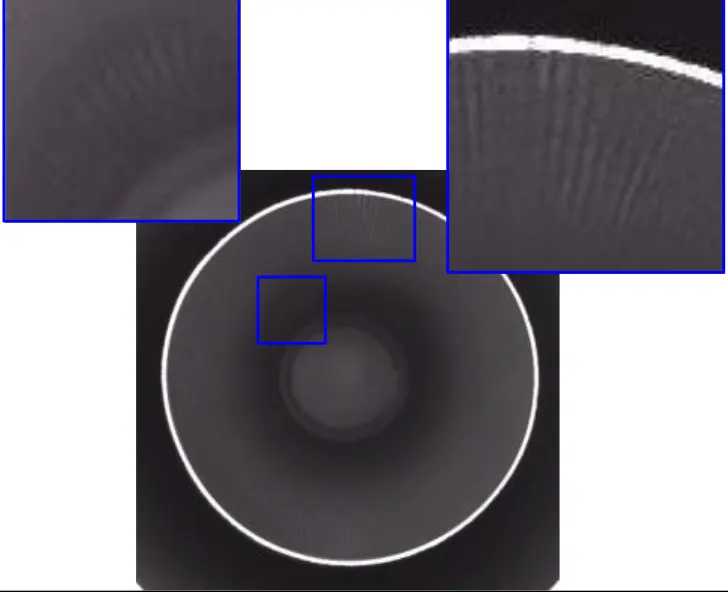
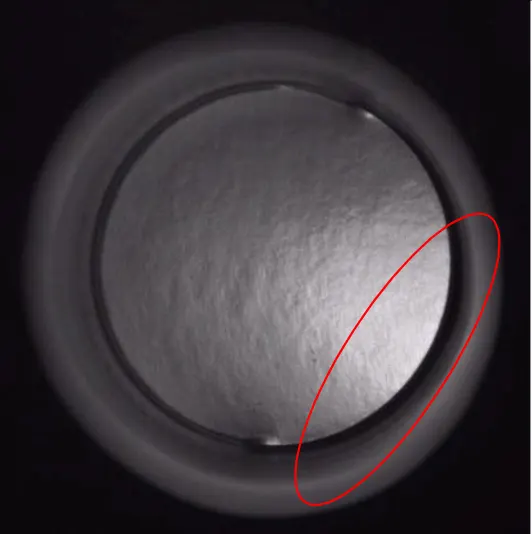
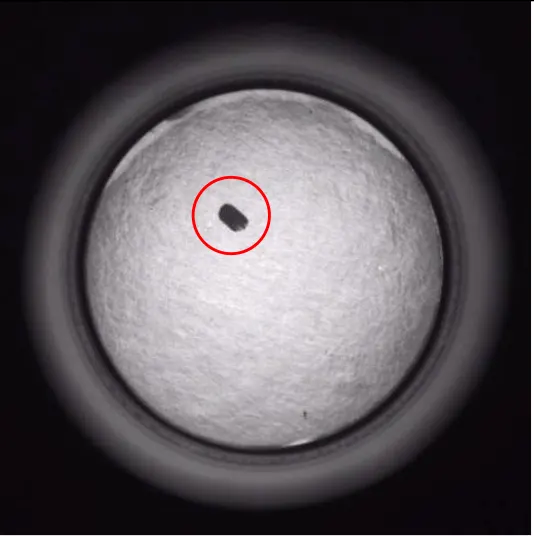
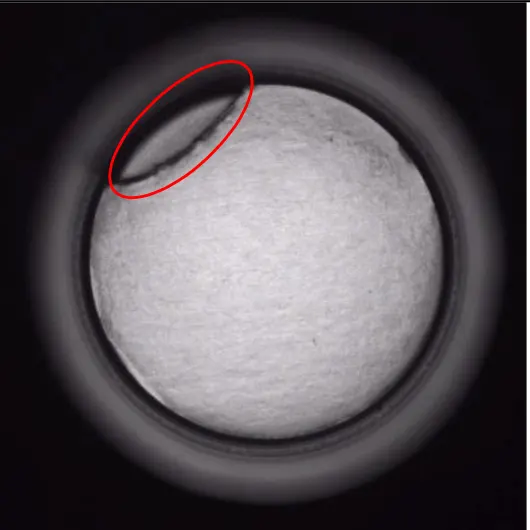
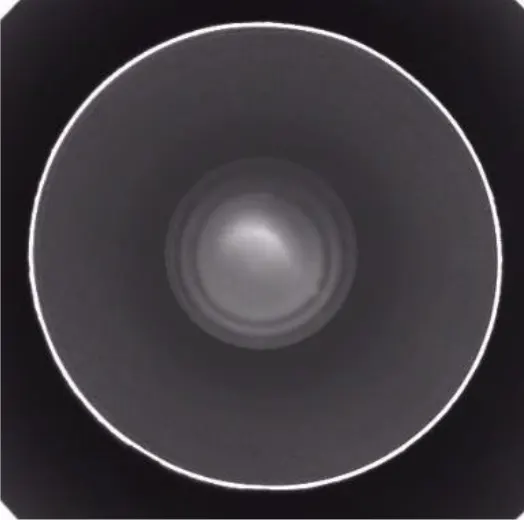
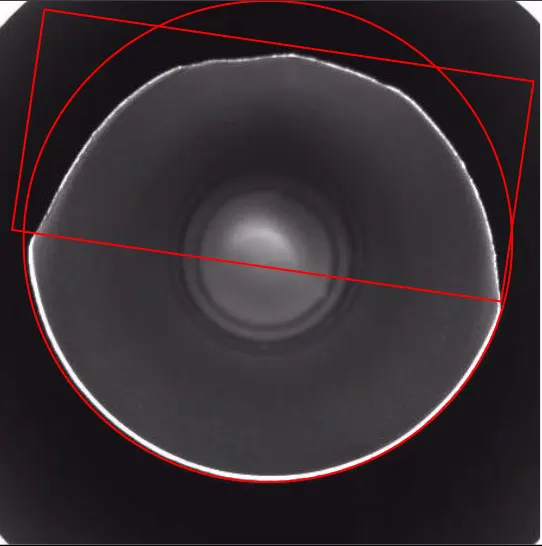
  • QVISION-C-TOP : For the inspection of the border and the inner surface of the closures. The inspection is performed with the closures upward facing, with a top-view. The optic is a wide-angle lens, in order to enhance the typical defects on the border of the closure (short-shot, deformation, ovality, horizontal flashes) and inside, on the visible surfaces (contaminations, color variations, black spots). This module can be installed either on a conveyor belt (with caps moving aligned, spaced and upward facing) or on a starwheel.
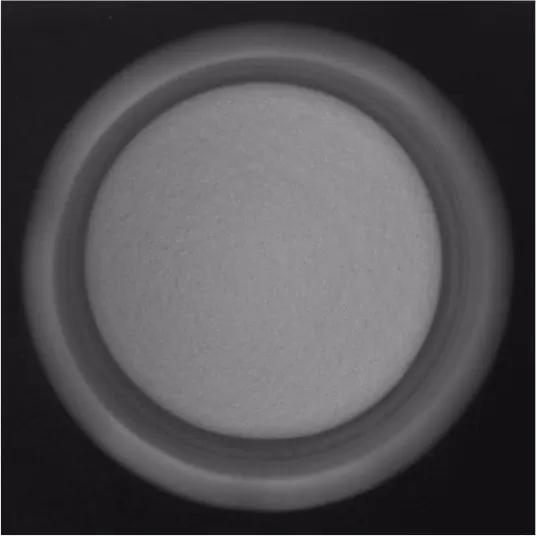
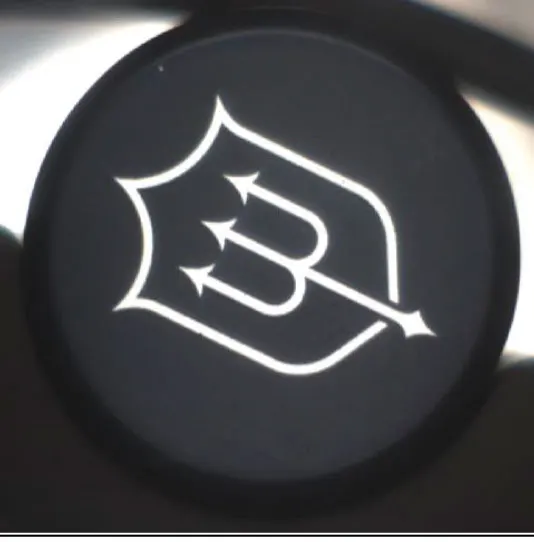
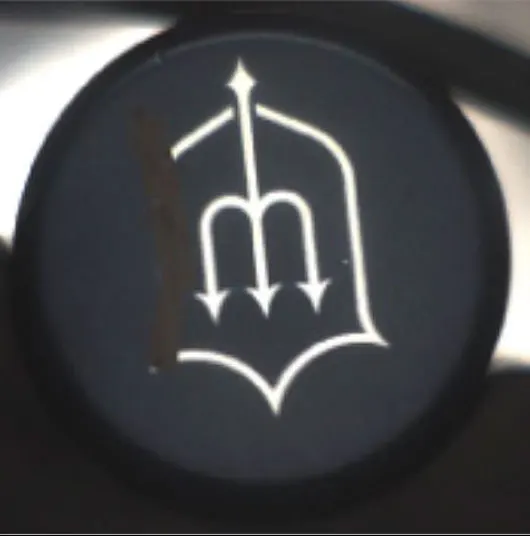
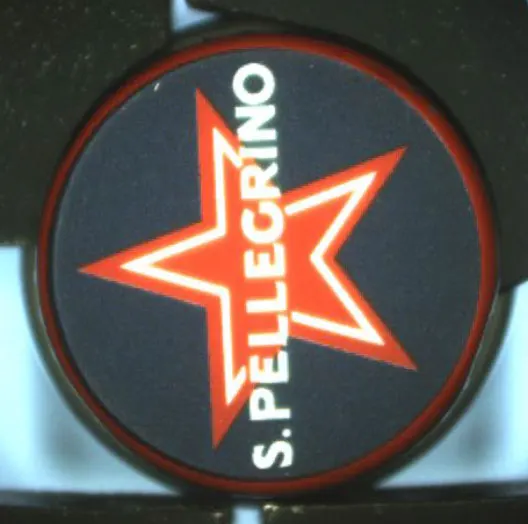
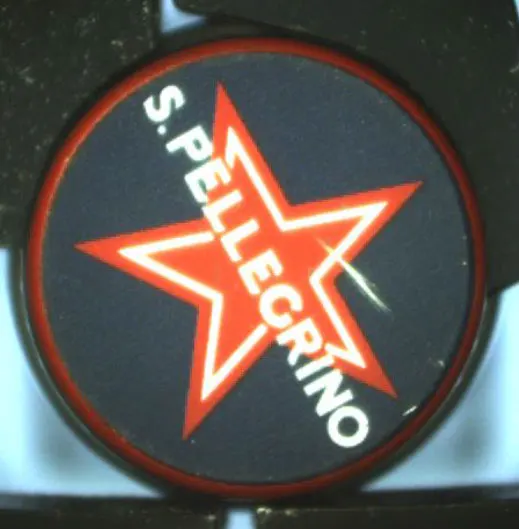
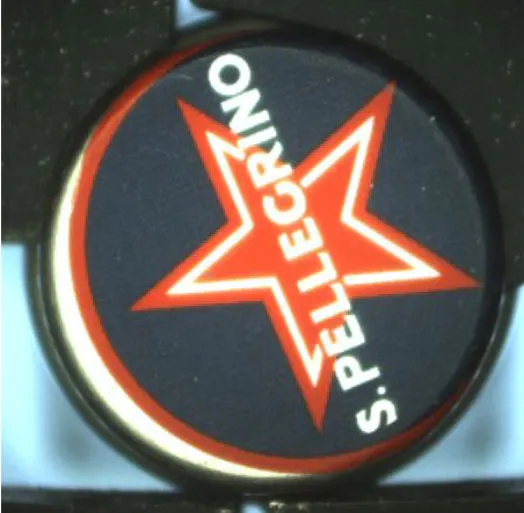
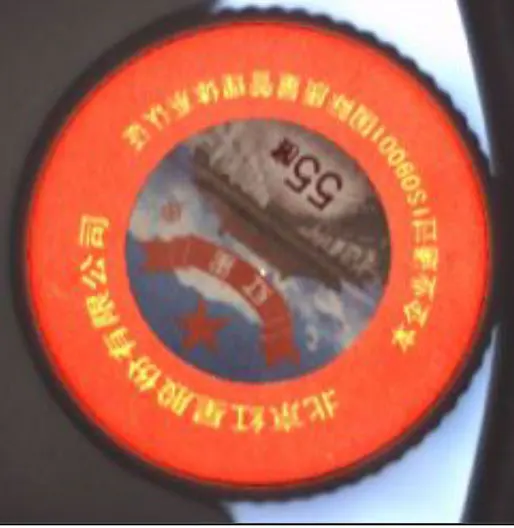
  • QVISION-C-BOTTOM : For the inspection of the top external surface. Normally this inspection is performed with closures moving on a star-wheel, upward facing, while camera observes the top surface from the bottom, through a hole in the main plate of the machine (usually on the hole is installed a special glass). Typical defects that can be detected with this unit are: dirty, contaminations, color variations, black spots. This module, if required, could also inspect a possible printed logo.
  • QVISION-C-SIDE : For the inspection of the external side surface of the closure. The acquisition unit uses four cameras, installed at 90° each other. The unit is installed on a conveyor belt, with closures moving aligned and spaced, upward facing. Typical defects that can be detected with this unit are: lack of material on the border, vertical flashes, dirty, black spots.
  • QVISION-C-TOP360 : This module has to be installed on a conveyor belt, with closures moving aligned and spaced. It uses a special lens, which allows to observe the side surface with a top-view. If the closures are oriented with the opening downward facing, this unit allows the simultaneous control of the side and top external surfaces. Typical defects which can be detected are color variations, dirty, black spots.
Defects :

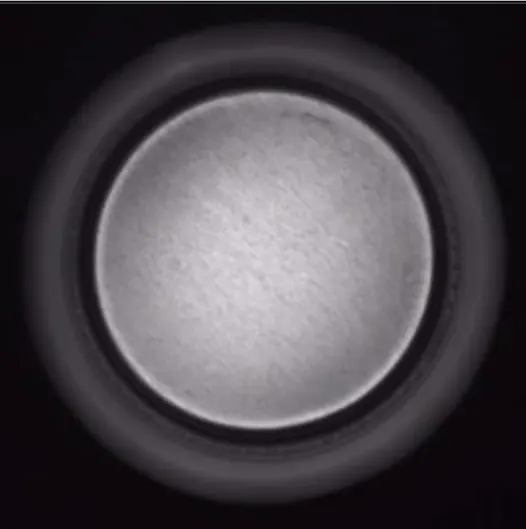
Below some tables showing the typical defects that can be detected with the modules described above -

Typical defects Good sample
Cap Border
Defect

Missing material on border


Module:
QVISION-C-TOP
(Top/inside view)

Aluminium1 Aluminium2

Folded border


Module:
QVISION-C-TOP
(Top/inside view)

Aluminium3

Deformation/Ovality on border


Module:
QVISION-C-TOP
(Top/inside view)

Aluminium4

Corrugated border


Module:
QVISION-C-TOP
(Top/inside view)

Aluminium5
Typical defects Good sample
EPE/Saranex Liner
Defect

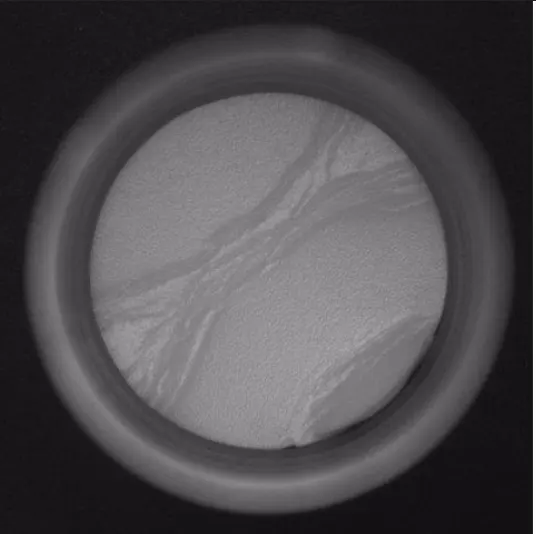
“Wrinked” liner


Module:
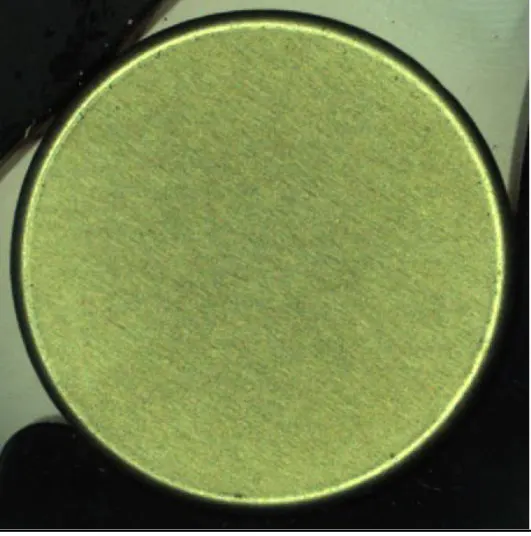
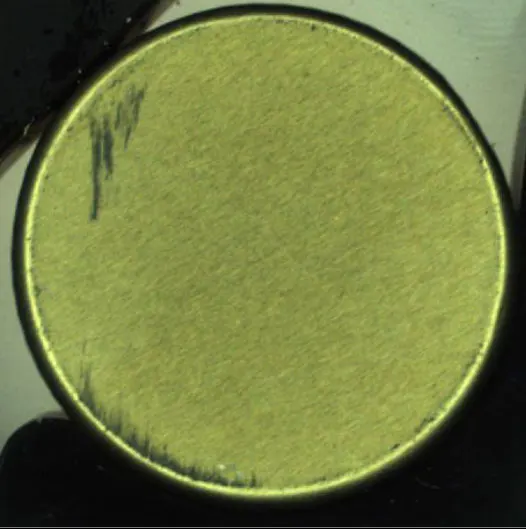
QVISION-C-LINER

Aluminium6 Aluminium7

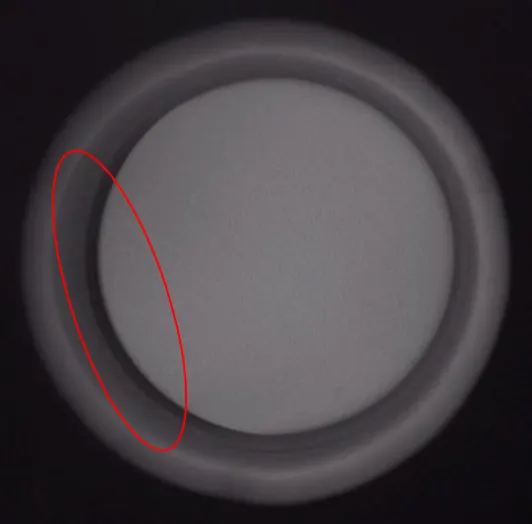
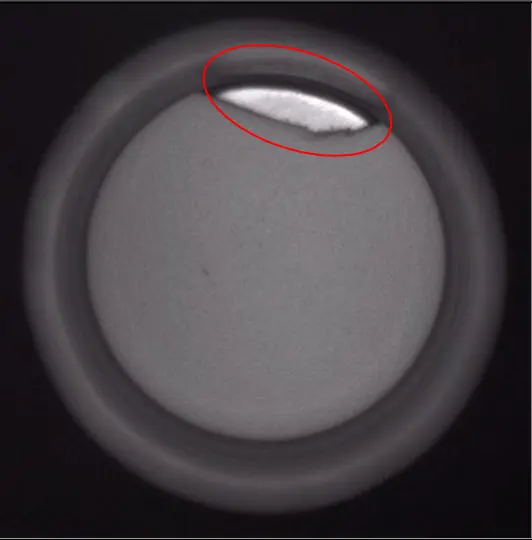
Liner not properly inserted


Module:
QVISION-C-LINER

Aluminium8

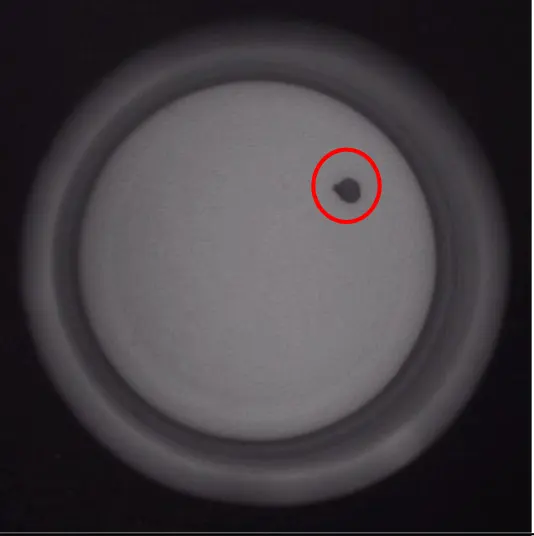
Black spot (dirty/contamination)


Module:
QVISION-C-LINER

Aluminium9

“Cut” liner


Module:
QVISION-C-LINER

Aluminium10
Typical defects Good sample
TIN-FOIL Liner
Defect

“Wrinked” liner


Module:
QVISION-C-LINER

Aluminium11 Aluminium12

Liner not properly inserted


Module:
QVISION-C-LINER

Aluminium13

Black spot (dirty/contamination)


Module:
QVISION-C-LINER

Aluminium14

“Cut” liner


Module:
QVISION-C-LINER

Aluminium15

“Missing” liner


Module:
QVISION-C-LINER

Aluminium16

“Upside-down” liner


Module:
QVISION-C-LINER

Aluminium17

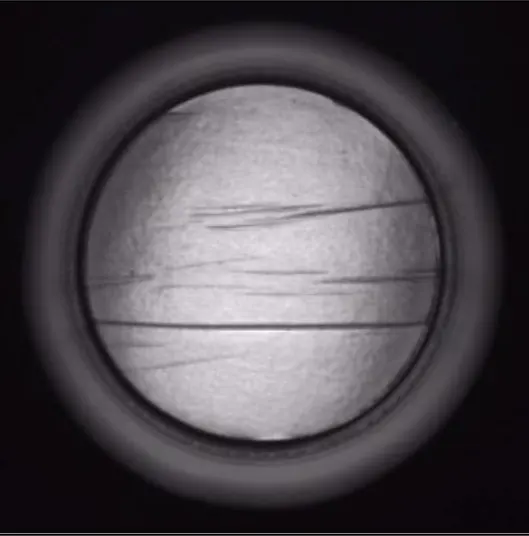
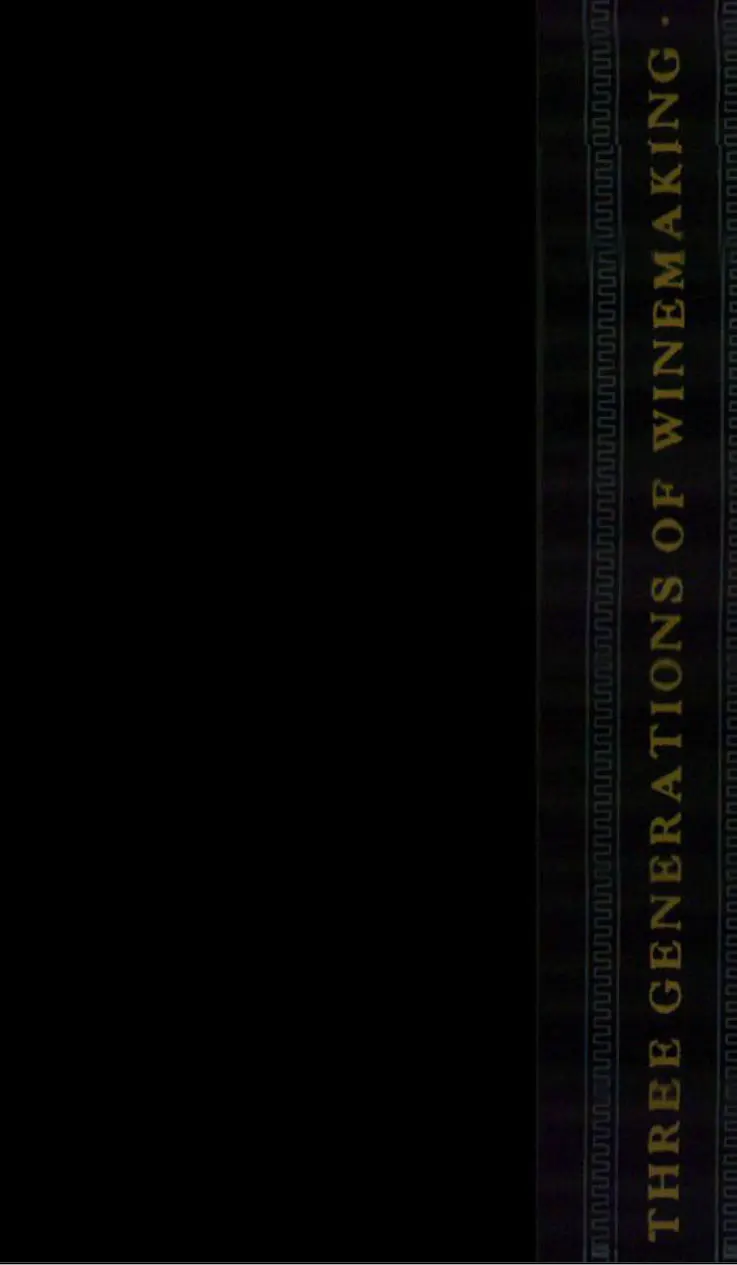
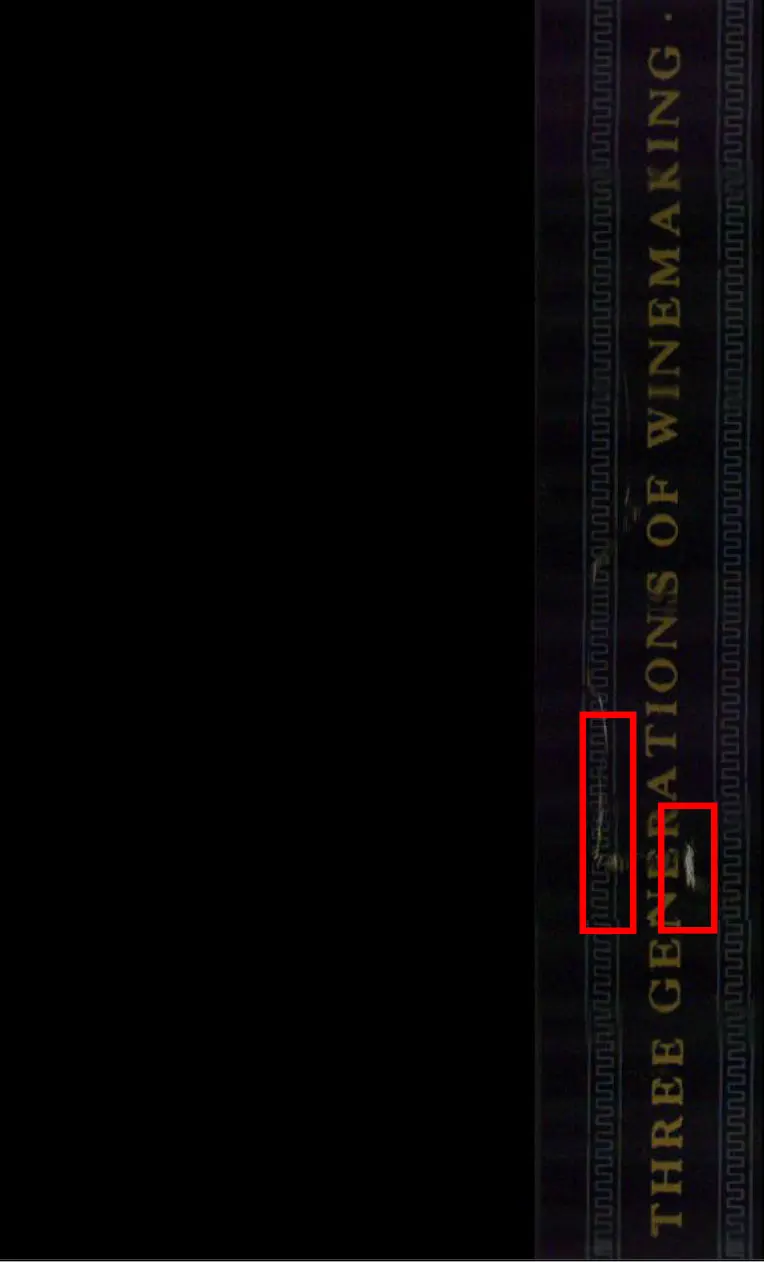
Liner with scratches


Module:
QVISION-C-LINER

Aluminium18
Typical defects Good sample
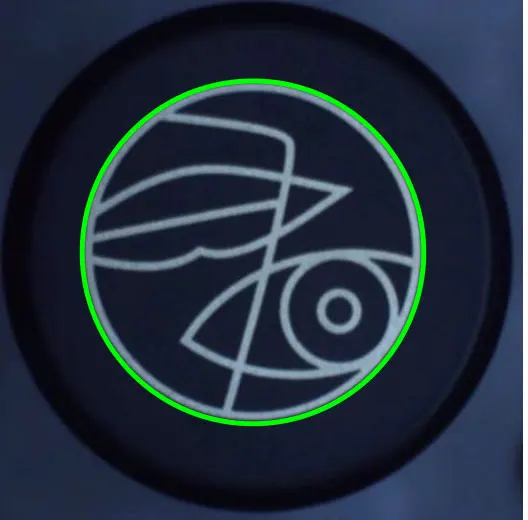
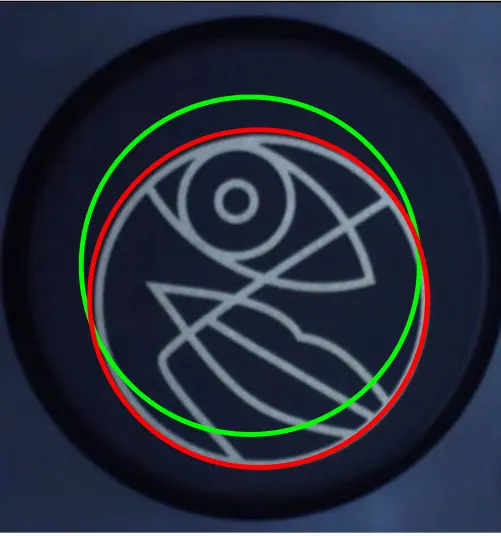
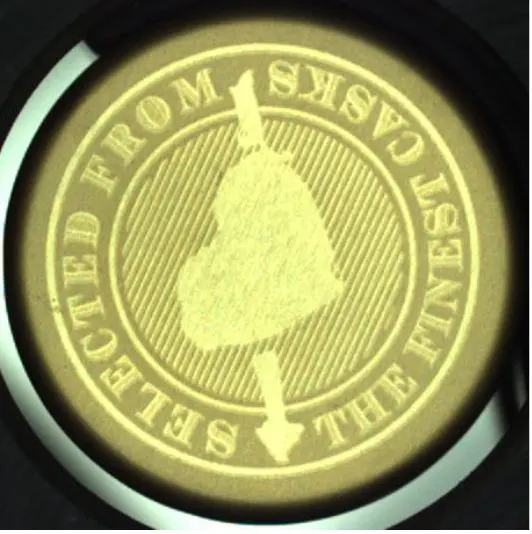
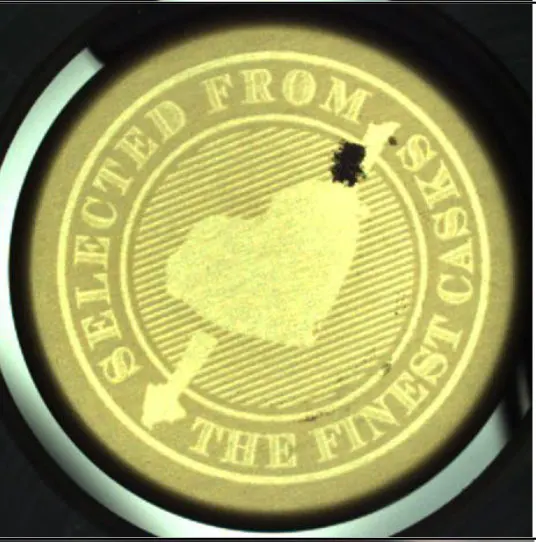
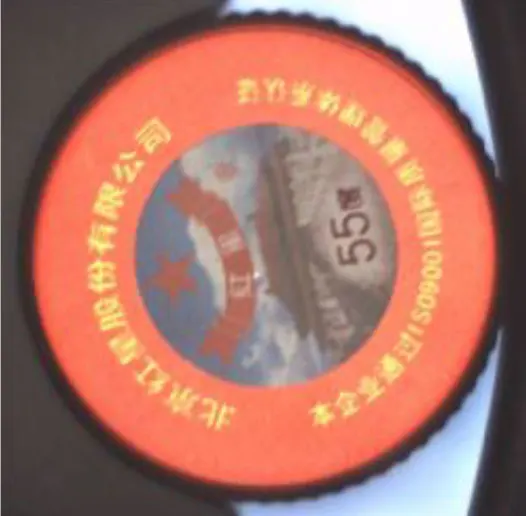
Top-printing (Logo)
Defect

Logo “out of center”


Module:
QVISION-C-LOGO

A1 A2

Logo “out of center”


Module:
QVISION-C-LOGO

A3 A4

Dirty/Black spot


Module:
QVISION-C-LOGO

A5

Printing defect


Module:
QVISION-C-LOGO

A6 A7

Dirty/Black spot (“Uniform” closure)


Module:
QVISION-C-LOGO

A8 A9

Scratches


Module:
QVISION-C-LOGO

A10 A11

Logo “out of center”


Module:
QVISION-C-LOGO

A12

Color variation


Module:
QVISION-C-LOGO

A13 A14

Printing defect


Module:
QVISION-C-SIDE
Note:The side surface is “reconstructed” using the images of six cameras, installed at 60° each other.

A15 A16
Request A Call Back