
Smarter Lines, Sharper Prints, Stronger Margins
Every roll that leaves a press or converting line carries the cost of material, ink, energy, and time. In the printing industry and the converting industry alike, small errors in registration, tension, ink density, or cutting quickly turn into rejected rolls and delayed orders. Puretronics offers a complete range of process control, inspection, and web handling solutions designed to keep production accurate, stable, and profitable.
Read More about the Printing and Converting IndustryWhy These Solutions Matter
Customers today expect sharper graphics, tighter tolerances, and faster delivery, often on thinner and more demanding substrates. In the printing industry, quality is judged instantly by the end customer, and a single defect can lead to a rejected job. In the converting industry, where laminating, coating, and slitting follow printing, any error carried forward multiplies the loss. Reliable automation and monitoring remove the guesswork and let operators act before waste builds up, keeping every job on specification and on schedule.
Supporting Sustainability and Compliance
Waste reduction is no longer only a cost issue. Brand owners and regulators increasingly look at how efficiently materials are used. A printing industry plant that cuts rejects and ink consumption lowers its environmental footprint while improving margins, and a converting industry operation that reduces trim loss and rewind defects achieves the same. Accurate data from inspection and measurement systems also makes audits, traceability, and customer reporting far simpler.
Print Quality and Inspection Solutions
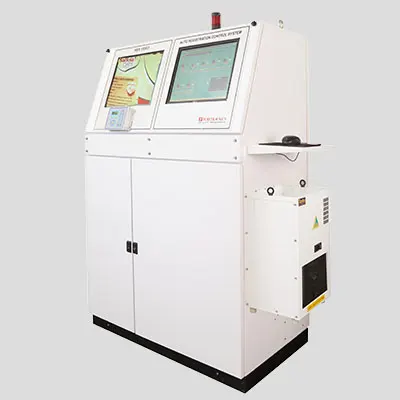
- Auto Registration Control System: Automatically keeps colours aligned during the run, eliminating manual correction and reducing start-up waste on multi-colour jobs.
- Web Video: Lets operators see the moving web clearly during production, making it easier to spot print issues without stopping the machine.
100% Print Inspection System: Checks every metre of print rather than occasional samples, so defects are caught and documented before they reach the customer.
- Plain Film Defect Detection System: Identifies defects in unprinted film, such as gels, holes, and contamination, helping maintain material quality ahead of printing or laminations.
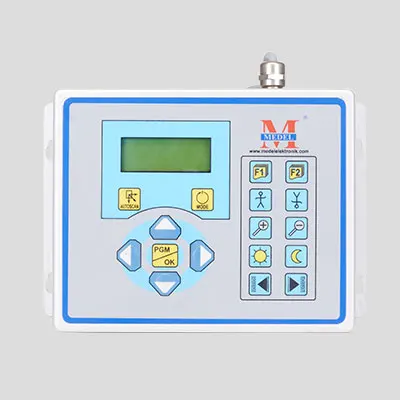
- Ink Viscosity Controller: Keeps ink viscosity within a stable range, which supports consistent colour, reduces rework, and lowers ink consumption.
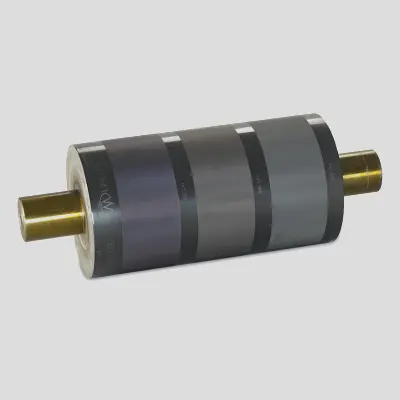
- Ceramic Anilox Roll: Provides accurate, durable ink transfer in flexographic printing, helping maintain consistent print density over long production runs.
Web Handling and Tension Control Solutions
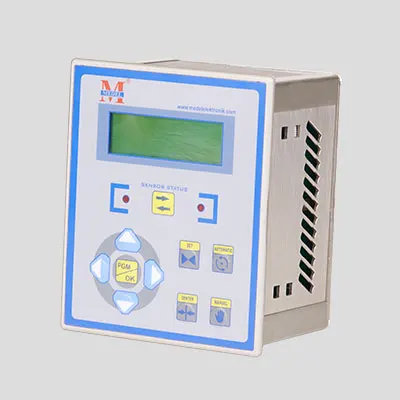
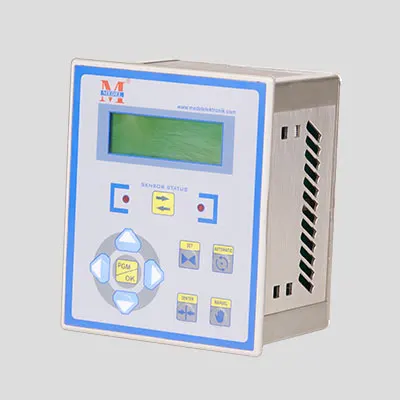
- Tension Controller and Loadcell: Together they measure and regulate web tension in real time, preventing stretching, wrinkling, and breaks, particularly on thin films.
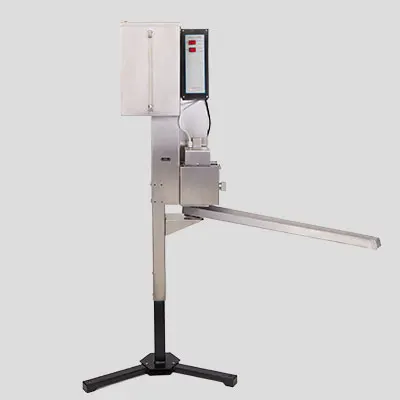
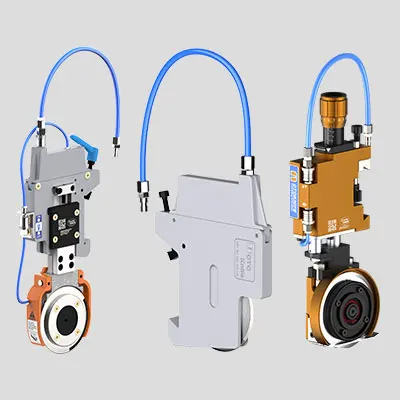
- Web Guide: Corrects sideways drift automatically so material stays aligned from unwind to rewind.
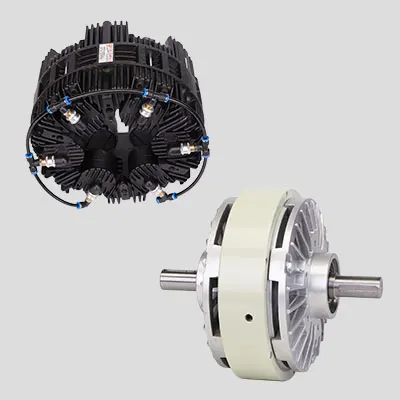
- Brakes and Clutches: Deliver smooth, controlled torque for unwinding and rewinding, supporting stable tension through speed changes and roll changeovers.
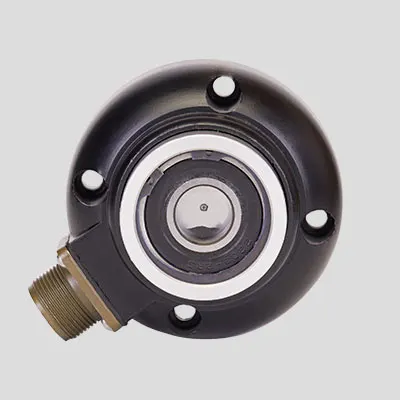
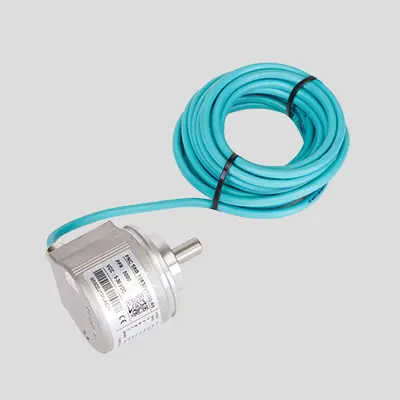
- Encoders and Non-Contact Length and Speed Measurement System: Provide accurate feedback on line speed and material length, supporting precise control, reliable production counting, and better costing.
Cutting and Positioning Solutions
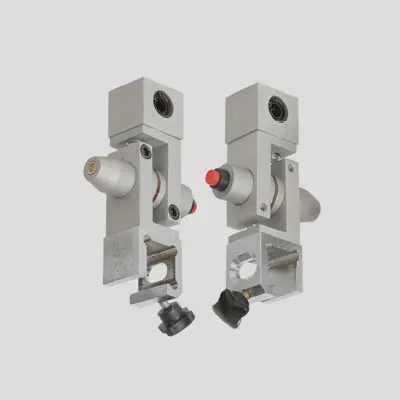
- Knifes: Quality slitting knives support clean, consistent cuts, reducing edge defects and improving finished roll quality.
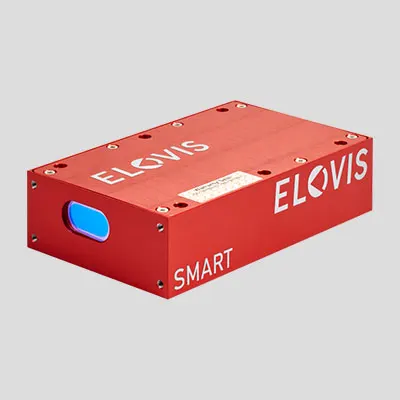
- Line Laser: Gives operators a clear visual reference for positioning cores, knives, or cutters, reducing placement errors during slitting setup.
Why Investors Should Plan These Solutions Now
Investing in these systems is a practical business decision, not just a technical upgrade. The reasons are clear:
- Lower material waste: Faster detection and correction means fewer rejected meters of expensive film, paper, and ink.
- Higher uptime: Stable tension, alignment, and speed control reduce breaks and unplanned stoppages.
- Stronger customer confidence: Documented inspection data helps satisfy demanding brand owners and strengthens long-term contrasts.
- Reduced dependence on operator skill: Automation delivers repeatable results across shifts and experience levels.
- Faster return on investment: Savings in waste, rework, and downtime often offset equipment cost over time.
- Readiness for growth: Automated lines handle higher speeds and tougher materials without proportionally increasing labour.
Even a modest reduction in waste and downtime, repeated across every shift and every job, adds up to a significant gain over a year of production.
For businesses in the printing industry, competition is rising, and margins are under pressure. In the converting industry, customers increasingly demand tighter specifications on thinner substrates. Companies that automate early gain a clear advantage in both cost and reliability.
Building a Complete, Connected Line
These solutions deliver the greatest value when they work together. Tension control supports accurate registration, guiding keeps materials aligned for slitting, and inspection systems confirm the results. A connected approach gives plant managers in the converting industry, and on press floors alike, a clear picture of line performance and makes improvement easier to plan, measure, and justify to management.
Ready for the Next Level of Production
As expectations continue to rise, the printing industry and the converting industry will reward those who invest in accuracy, visibility, and control. Puretronics supports this shift with proven solutions, application knowledge, and dependable service for printers and converters across India and worldwide.