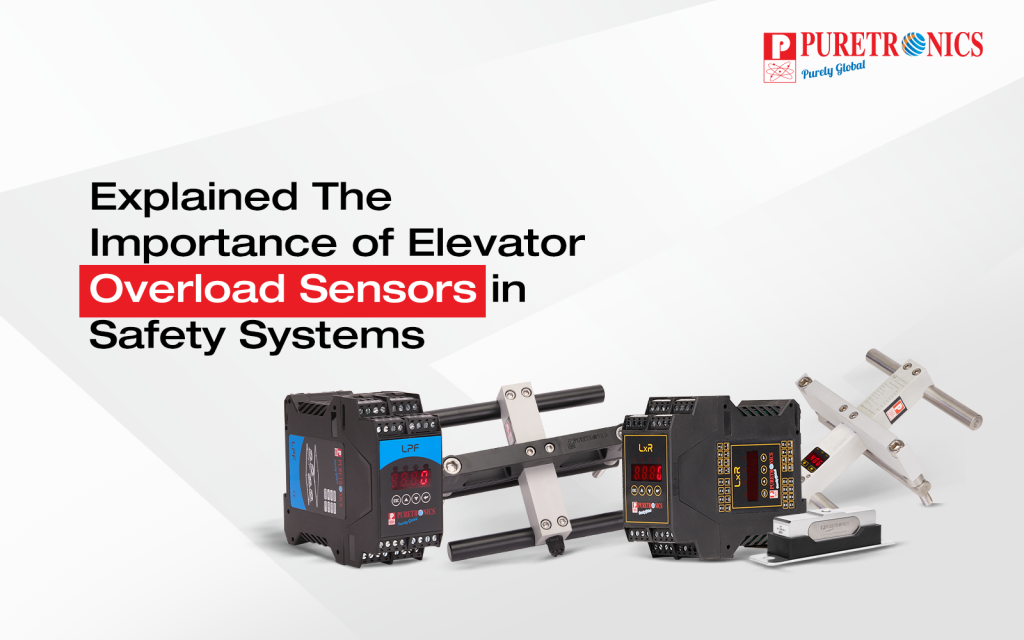
Explained The Importance Of Elevator Overload Sensors In Safety Systems
Safety needs to be the primary concern if you are in the vertical transportation world; elevators exist in both residential and commercial buildings (hospitals, malls, airports, and industrial sites). As millions of people use elevators every day to rapidly, efficiently, and safely get between floors, it is important to understand that one of the most important safety features of these systems is the Overload Sensor for Elevators.
Overload sensors for elevators are used to protect passengers and the machinery of the elevator by stopping the operations of the elevator at any time the load exceeds the maximum allowable (safe) load for that elevator. Overload sensors for elevators are capable of detecting excess weight on the elevator in real time and triggering safety protocols. The result is a decrease in mechanical wear and tear on the elevator and a reduction in the potential of accident occurring because of overloading the elevator and help ensure that elevators are operating in compliance with applicable regulatory requirements; therefore, this documents provides a thorough guide to how Overload Sensor for Elevator operate, why they are important, and how they enhance the overall safety system of elevators.
What Is An Elevator Overload Sensor?
An Overload Sensor for Elevator is a safety component installed as part of the elevator system, which helps detect when the weight inside the elevator cabin exceeds the maximum weight capacity. It ensures the elevator does not move unless the excess weight is removed.
The sensors have been developed to sense the changes in weight inside the elevator and transmit this data to the elevator system. Once the sensors detect the overload weight inside the elevator, it displays a warning message and locks the elevator from moving unless the issue is resolved.
The elevator overload sensors have been made mandatory under safety regulations and building codes around the world to prevent accidents caused by excess weight and structural failure.
How An Elevator Overload Sensor Works
To understand how an Overload Sensor for an elevator works, it is important to first understand its placement and how it detects weights:
Where the sensor sits
Overload sensors are usually installed in the following locations:
- Inside the elevator car frame
- Along the suspension system
- On the sheave or guide rails
- Under the elevator floor, using load cells
Sensing Mechanism
An elevator overload system uses one of the following sensors:
1) Load Cells:
They are the default option for the system. The weight of the elevator cabin is converted into an electrical signal that varies with the weight.
2) Strain Gauges:
The sensors use the deformation of the material from which the elevator is made. As the weight increases, the material deforms slightly, and the sensor converts this deformation into a signal.
3) Pressure Sensors:
Hydraulic elevators use pressure sensors that sense the pressure of the fluid inside the elevator. The pressure increases with the weight.
The sensor receives the weight data and sends it to the elevator control system. If the weight exceeds the safe weight limit, the control system sends an alarm signal and stops the elevator from moving, ensuring that it does not move unless the weight is within the safe range.
Why Elevator Overload Sensors Really Matter
Overload sensors for elevators are more than just a way of complying with regulations. They are first-line defenses against serious risk. Here are some of the ways they matter for safety:
1 Keeping People Safe From Faults And Falls
At its core, the role of an overload of sensors is one of safety. An overloaded elevator is prone to a variety of faults and problems, such as:
- Unexpected stops due to motor strain
- Cable failures and glitches in the hoistway
- Unequal tensioning of guide rails
- Erratic elevator movement
All of these can lead to serious accidents and injuries.
2. Preventing Mechanical Failure
If you are pushing your system too hard, you are placing strain on essential parts, such as:
- Motors
- Cables and ropes
- Brakes
- Pulleys
- Structural parts
This can cause your equipment to have a reduced lifespan. An Overload Sensor for Elevators ensures the machinery does not get overworked.
3. Keeps Elevator Performance and Ride Smooth
Elevators have performance limits when it comes to carrying loads. When you exceed these limits, the system might have trouble maintaining smooth acceleration, leveling, and braking. Overload Sensor for Elevator provides real-time load information to the controller, which ensures the elevator:
- Travels smoothly
- Levels floors correctly
- Provides a smooth riding experience
4. Reduces Legal and Compliance Risk
Elevators are required to comply with building codes, safety standards, and regulatory guidelines. This implies the need for a reliable overload detection device. Failure to install the device or neglecting to service the Overload Sensor for the elevator can result in:
- Legal violations
- Fines and penalties
- Revocation of certifications
- Liability in case of accidents
For building proprietors and elevator installers, compliance is not just a safety imperative but also a legal requirement.
5. Reduces Downtime and Maintenance Costs
Overload Sensor for Elevator may sometimes lead to failures, and this could mean costly repairs and downtime. Sensors prevent overloads from occurring and reduce downtime and repair costs.
Types of Overload Sensors for Elevators
Elevators use a few different methods of overload detection. Some of these methods are:
Load Cell-Based Overload Sensors
An overload sensor for an elevator to measure the total weight of objects carried in the lift. These overload sensors are accurate and are commonly used.
Strain Gauge Overload Sensors
This type of overload sensor is accurate and is often used for retrofitting old elevators.
Pressure-Based Sensors
This type of overload sensor is often used for hydraulic elevators. These overload sensors measure hydraulic pressure, and hydraulic pressure is directly proportional to the weight of objects carried in the lift.
All these Overload Sensors for Elevator have one and only one aim: they want to prevent the elevator from moving when safety limits are violated.
Integration with Elevator Control Systems
Elevators of today are equipped with sophisticated control mechanisms, ensuring smooth integration of overload sensors. In case of an overload detected by an elevator’s overload sensor, beyond its safe weight-carrying capacity, the following actions are initiated:
- Alarm raised: An alarm is raised, and people are warned to reduce the load.
- Display notice: A display is shown on the elevator screen stating overload and asking people to exit if needed.
- Motor shutdown: The motor is stopped until the weight is brought back to normal levels.
This integration of overload sensors with PLC and other management systems allows for better monitoring of safety.
Installation and Calibration: Best Practices
To make the elevator overload sensor reliable and accurate, the best practices are as follows:
Proper Load Cell Placement
Proper placement of sensors is very important. Sensors should be placed in the same place as recommended by the manufacturer. Otherwise, you may end up getting false readings.
Calibration
Calibration is very important to keep the sensors accurate and precise. It is the process in which the sensor readings are compared to standard weights and then adjusted accordingly.
Regular Testing
Regular testing is also very important while maintaining the sensors.
Environmental Considerations
Elevators are often subjected to different environments, such as temperature, dust, and moisture. The sensor should also be chosen in accordance with these factors.
Elevator Overload Sensors: The Smart Safety Cornerstone
As smart buildings become increasingly connected and smart, elevator overload sensors are becoming bolder in terms of functionality:
- Digital output interfaces
- Remote alerts and diagnostics
- Smooth integration with IoT and building dashboards
- Predictive maintenance information
This is taking safety beyond traditional boundaries, enabling elevators to respond dynamically to real-time situations.
An Overload Sensor for Elevator is not just a simple gadget on the control panel, it forms the basis of the safety system that ensures the safety of people, equipment, and structures. It monitors the elevator and elevator equipment at all times, predicting and preventing hazardous conditions before they arise.
In a world where going up and coming down the elevator has become a necessity, safe and reliable elevator operation under all conditions and at all times is not a choice, it is a necessity. Investing in reliable overload sensors, equipment installation, and maintenance ensures smooth operation, safety, and peace of mind for all users.
Puretronics offers precise Overload Sensors for Elevator solutions that are built to last and can be integrated with the latest safety systems. Whether you are installing new elevators or upgrading existing ones, the right overload sensors can make all the difference. Get in touch with us today to discuss your elevator safety needs.