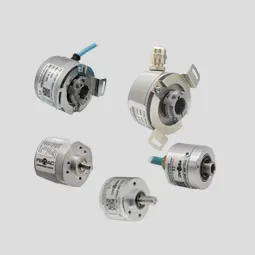
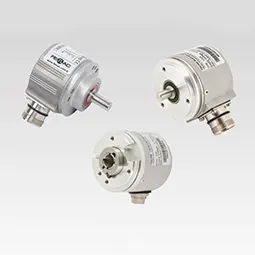
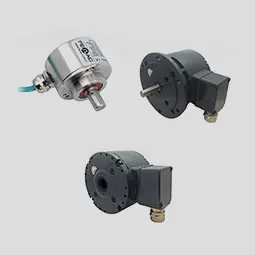
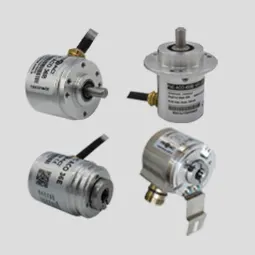
The Small Part Behind Every Accurate Machine
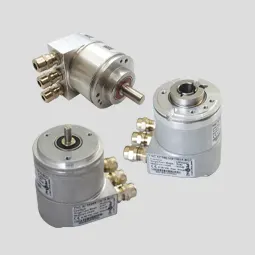
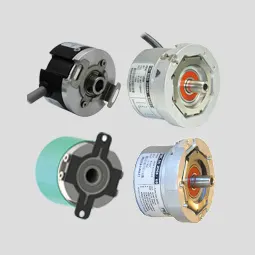
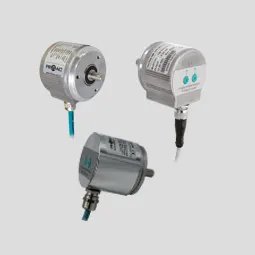
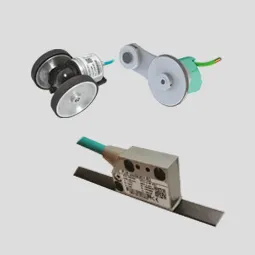
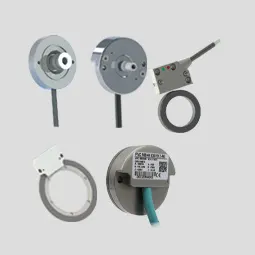
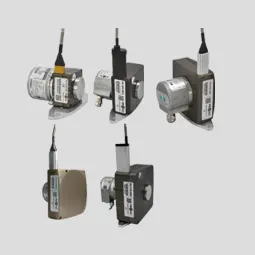
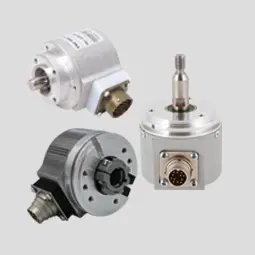
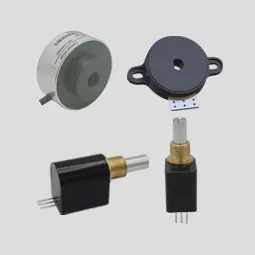
Here's something most people don't realize: the accuracy of an entire machine often comes down to one small component, the encoder. It's not the flashiest part of any system. But it's the one telling the machine exactly what's happening, in real time. Without it, the machine is basically guessing. At Puretronics, we've spent years building encoders that don't guess.
Read More about Encoders And Encoder ManufacturingSo, What Does An Encoder Actually Do?
Think of it as the eyes of a machine. Every time something moves, a motor, a roller, a robotic arm, the encoder tells the control system exactly how far, how fast, and in which direction.
No feedback, no accuracy. It's that simple. And once you start looking for it, you realize how many industries quietly depend on this one function.
Where You'll Find Encoders At Work
This isn't a one-industry technology. Encoders power precision across a wide range of setups, often in ways most people never notice:
- Wire and Cable: accurate speed and length control across extrusion, drawing, and winding lines, where even small inconsistencies affect final product quality
- Printing and Converting: precise registration and tension control across continuous web material, keeping print alignment sharp at high speeds
- Packaging Industry: synchronized inspection, cutting, and sealing operations, so every pack closes at exactly the right point
- Paper and Corrugation: consistent tension and web guide control, preventing misalignment across long production runs
- Textile: accurate tension and speed tracking on fast-moving fabric lines, reducing fabric distortion and waste
- Automobile and Aerospace Defense: precision positioning and length measurement in applications where tolerances are extremely tight
- Elevator Industry: reliable position and speed tracking that keeps movement smooth and safe for passengers
- Rubber: tension and speed control across processing lines handling soft, flexible material
- Metal Industry: accurate length and positioning feedback across cutting, forming, and processing operations
- Robotics: precise joint position and speed feedback on robotic arms and automated machines, so every movement is repeatable and accurate
- Defense and Aerospace: reliable position and speed feedback for actuators, gimbals, and test rigs, where tolerances are tight, and failure is not an option
Why A “Decent” Encoder Isn't Always Good Enough
A slightly off encoder doesn't cause a dramatic breakdown. It causes something sneakier, small inaccuracies that build up quietly over time.
- A little drift in speed control
- Minor positioning errors
- Inconsistent output that no one can quite explain
Individually, none of these feel urgent. But add them up over a shift, a batch, or a production month, and they translate into real cost, wasted material, inconsistent quality, and time spent chasing problems that don't actually exist where people are looking.
And because the symptoms show up elsewhere, in the product, not the part, teams often chase the wrong root cause for weeks before someone finally checks the encoder itself.
It's Not Just About The Spec Sheet
A good encoder on paper doesn't guarantee good performance on your floor. What actually matters is how it holds up in your environment:
- Constant vibration?
- Extreme heat or cold?
- Dust, moisture, three shifts a day?
An encoder that performs perfectly in a clean lab setting can behave completely differently on a busy, dusty production floor. That's why the right fit matters more than simply picking the highest-spec option available. Application-specific thinking, not a generic spec sheet, is what actually determines long-term performance.
What To Look For In An Encoder Manufacturer
Not every manufacturer takes the time to actually understand your setup. The good ones ask questions first:
- What's your operating environment like?
- How is this integrating with your existing system?
- What accuracy do you actually need, and where does that accuracy actually matter most?
And they stick around after the sale, offering real support when something comes up, not disappearing once the invoice is paid.
Where Puretronics Fits In
We've built our name as an encoder manufacturer by staying close to how these devices actually get used, not just how they're specified on paper. Whether it's a wire and cable line, a packaging unit, a printing press, a textile mill, or a railway control system, the goal stays the same: get the feedback right, so everything built on top of it works the way it's supposed to.
That's the quiet, unglamorous work an encoder does, and it's exactly the work we've built our reputation around.
Noticing Something Off?
Drift in speed control, inconsistent positioning, or output issues you can't quite explain, these are often signs worth investigating at the source. Before assuming it's a motor, a drive, or a mechanical fault, it might be worth checking the encoder first.
Get in touch with our team, we'll help you figure out the right fit for your specific line, whatever industry you're in.